
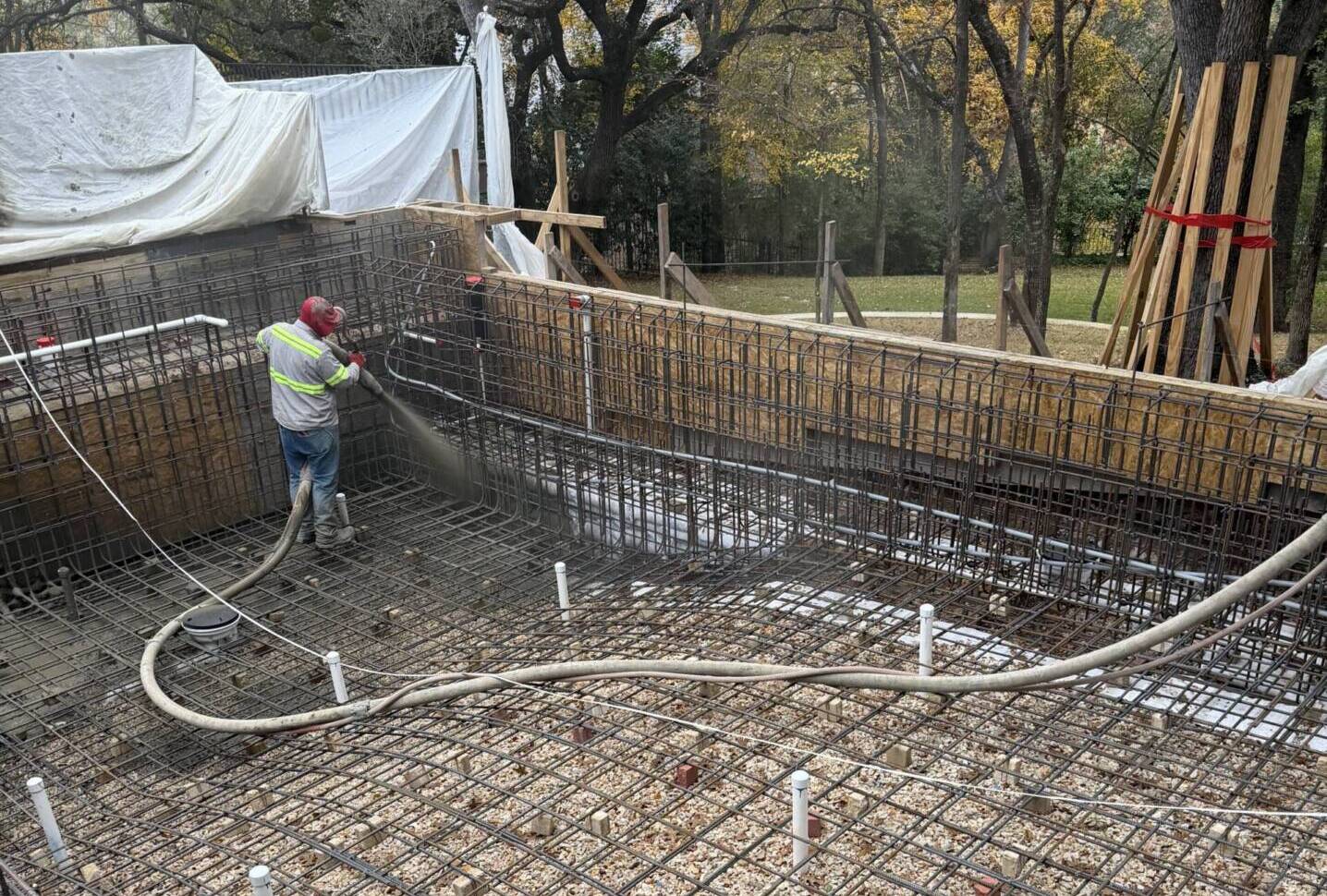
Identify potential pool-shell deterioration before the damage progresses
Cracks in a concrete pool are not always cosmetic. In some Austin-area pools, widespread cracking and movement may be associated with alkali-silica reaction, commonly referred to as concrete cancer. This condition can affect the pool shell, finishes, coping, and surrounding structural elements if it continues to progress.
Paragon Pools provides an initial inspection to document visible warning signs, understand the history of the pool, and help determine the most appropriate next step.
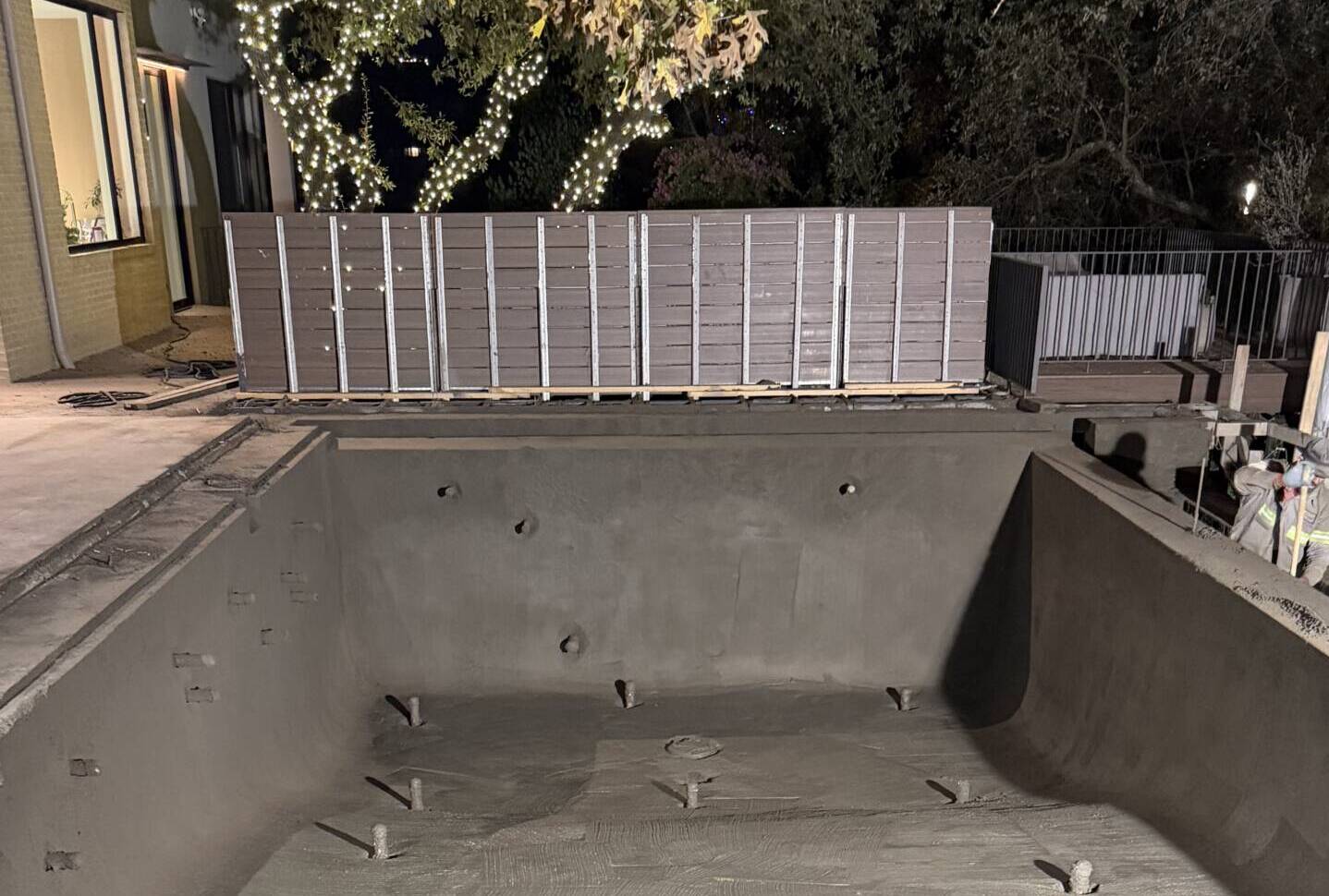
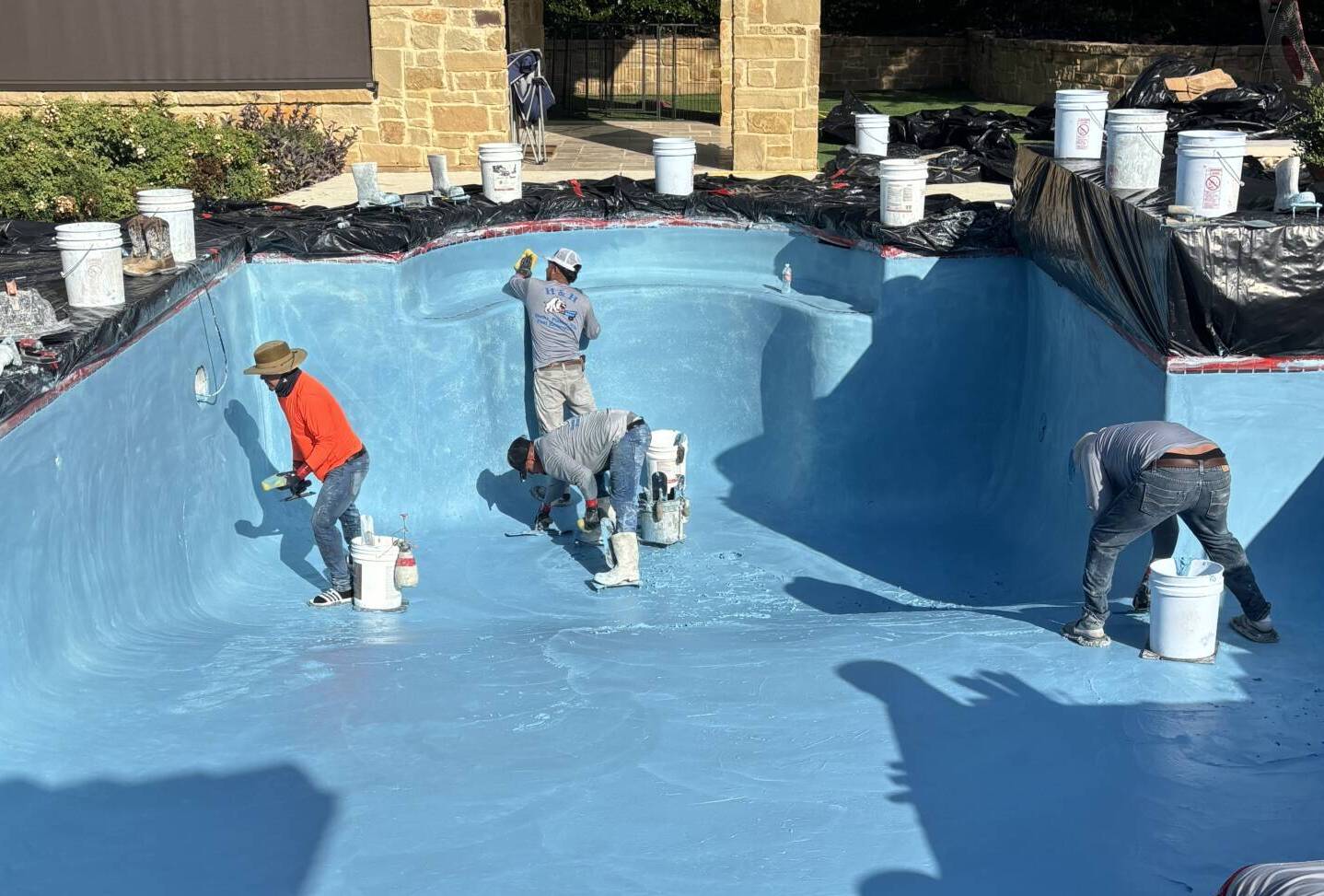
Every project begins with understanding your site, vision, preferred style, and desired features. This allows us to create a pool that feels naturally connected to your home while balancing beauty, functionality, and everyday enjoyment.
What Is Concrete Cancer?
Concrete cancer is a general term often used to describe serious deterioration within concrete. In the Central Texas pool industry, it is frequently associated with alkali-silica reaction, or ASR.
ASR occurs when alkalis within the concrete react with certain forms of reactive silica in the aggregate. In the presence of moisture, the reaction can produce a gel that expands inside the concrete. This internal pressure may eventually cause cracking, movement, and progressive deterioration.
Signs to Look For
Possible warning signs may include:
- Map-like or alligator-pattern cracking
- Cracks that continue returning or widening
- Raised, shifted, or misaligned pool surfaces
- Surface pop-outs or localized concrete damage
- Discoloration or material appearing around cracks
- Separation near coping, tile, decking, or adjoining structures
These symptoms can also result from other conditions. A visual inspection is an important starting point, but laboratory or specialist testing may be recommended before confirming ASR.
Signs to Look For
Our team reviews the visible condition of the pool shell, finishes, coping, decking, and surrounding areas. We document crack patterns, movement, surface deterioration, and other concerns that may help indicate the extent of the problem.
We will also discuss the pool’s construction history and any previous repair work. When additional confirmation is needed, we may recommend further evaluation or appropriate third-party testing.
Repair or Complete Replacement?
The right solution depends on the cause, severity, and extent of the deterioration. A localized cosmetic crack may require a very different response from widespread structural movement.
Where damage is extensive, repeated surface repairs may not address the underlying issue. In those situations, tearing out the affected pool and constructing a new pool may provide a more dependable long-term solution.